
Modular Prayer Room Ideas
What are the latest prayer room design ideas for 2025?
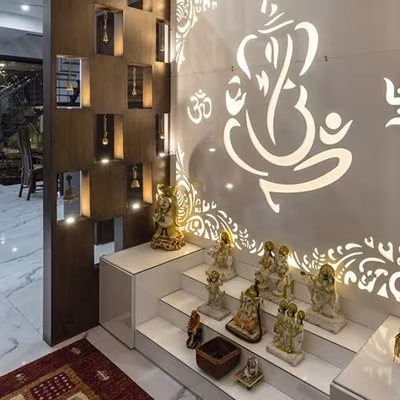
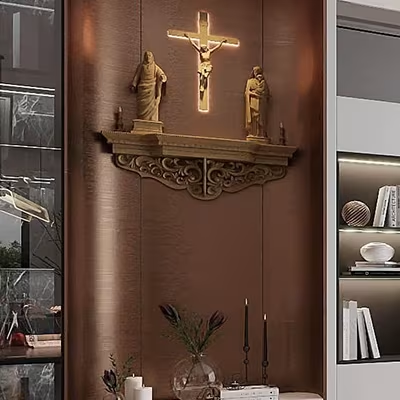
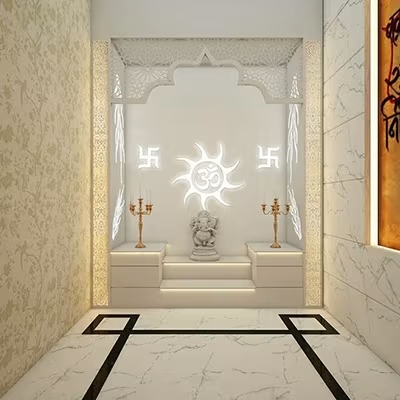
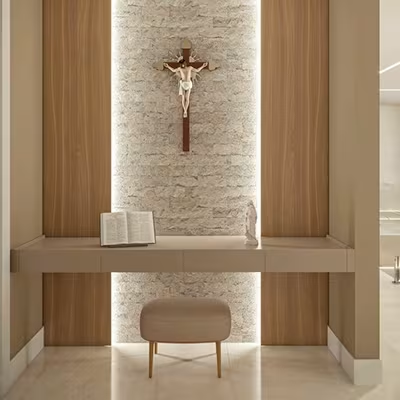
FAQ About Modular Kitchens Designs
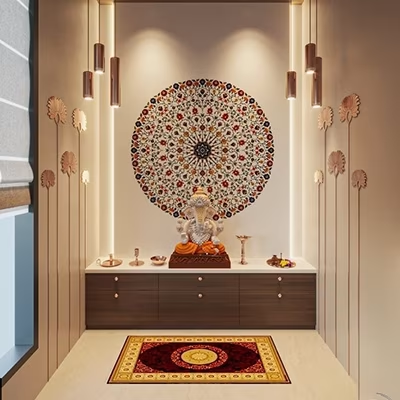
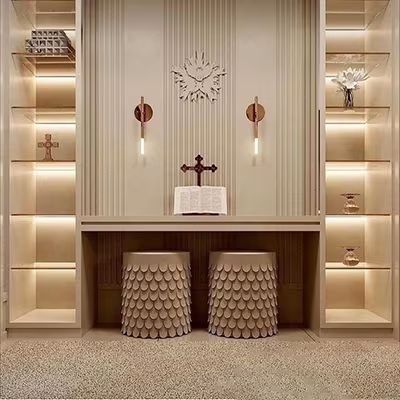
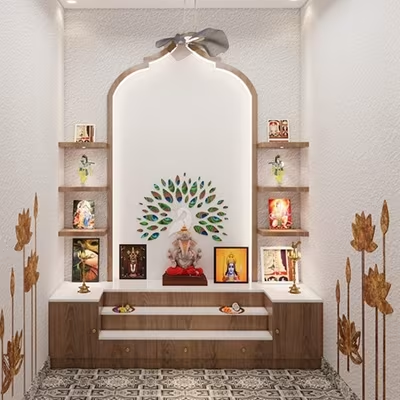
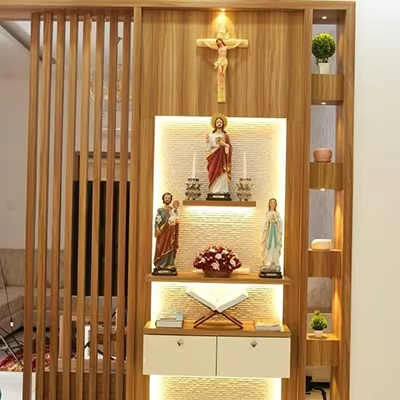
Choosing the right pooja room style starts with assessing your available space and the overall design theme of your home. This ensures the pooja room complements the rest of your interiors:
- Traditional homes with wooden furniture and classic décor work best with a traditional pooja room.
- Contemporary homes featuring neutral shades, minimal furniture, and sleek lines are suited for a modern pooja room.
- You can also opt for a blended style, combining traditional elements with modern design, to create a harmonious look that fits your space and aesthetic.
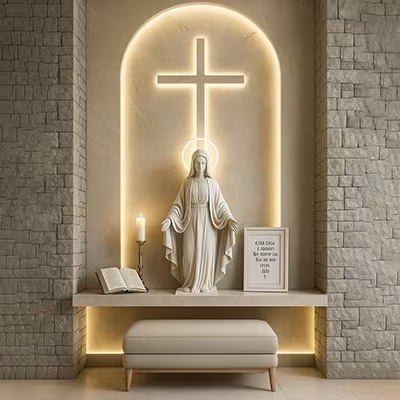
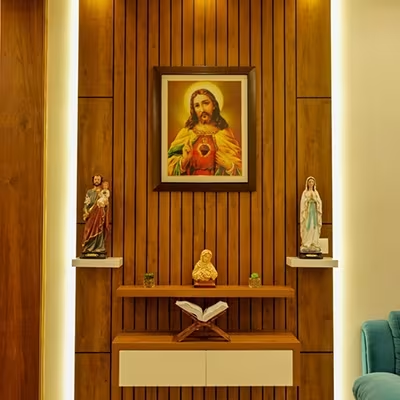
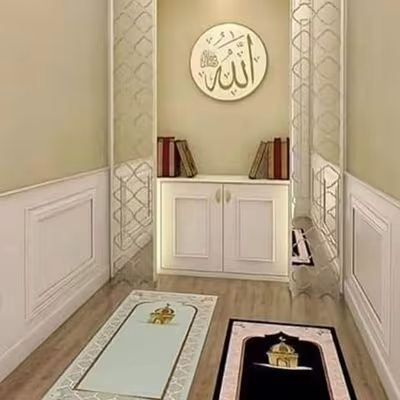
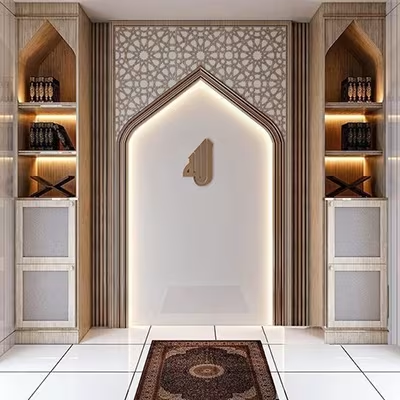
A pooja room doesn’t always require a separate space. Even a small corner of your home can be transformed into a serene and functional pooja area. Consider modern pooja room designs that are sleek, stylish, and fit compact spaces:
- A simple shelf or small mandir for idols and décor.
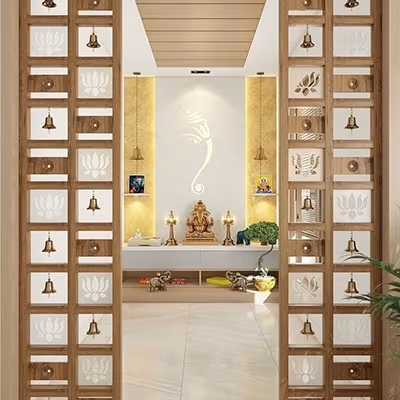
- A corner in the living room with a traditional jali backdrop for a spiritual touch.
- Minimalist elements and clean lines to keep the space calm and organized.
This approach ensures your pooja space is both practical and aesthetically pleasing, even in smaller homes.
A pooja room is more than just a dedicated space for prayer—it is the sacred heart of your home. A thoughtfully designed pooja room can bring positivity and serenity into your living space. It serves as a peaceful corner for meditation, prayers, or quiet reflection, helping you connect with yourself and foster a sense of calm and spiritual balance.
The pooja room is considered the epicentre of positivity in a home, and following Vastu principles can enhance its energy. Key considerations include:
- Best Location: The north-east corner is ideal for placing the pooja room. If this isn’t possible, the north or east corners are good alternatives.
- Placement of Idols: Idols of deities should not face the door or each other to maintain harmony and positive vibrations.
- Colours and Décor: Use light and bright shades to enhance positivity. Popular choices include yellow, red, blue, and orange.
Following these guidelines ensures your pooja room is both spiritually uplifting and aesthetically pleasing.
According to Vastu, the northeast (Ishan) corner is the most auspicious spot for a pooja room in Indian homes. If this isn’t feasible, the east or north directions are also suitable. Avoid placing the mandir near bathrooms or under staircases. Ideally, the pooja room should be in a clean, quiet, and well-lit space with minimal disturbances to maintain positivity and serenity.
Yes. In compact Indian homes, a pooja unit can be placed in the living room or kitchen, ideally in the northeast corner. Make sure the area is clean, clutter-free, and away from toilets or heavy appliances. For privacy, consider using jaali panels or partitions. A small wall-mounted or floor-standing mandir works well in these multi-use spaces, allowing you to maintain a sacred corner even in limited areas.
According to Vastu principles in Indian homes:
- Idols or images of deities should face west or east, so that while praying, you are facing east or north.
- Avoid placing idols facing south.
- The pooja unit should not share a wall with a toilet or bathroom.
- Leave a few inches of space between the idols and the wall to allow proper airflow and maintain positivity.
In 2025, pooja room designs in Indian homes focus on compact, functional, and stylish setups. Key trends include:
- Compact mandirs and wall-mounted units for space-saving urban homes.
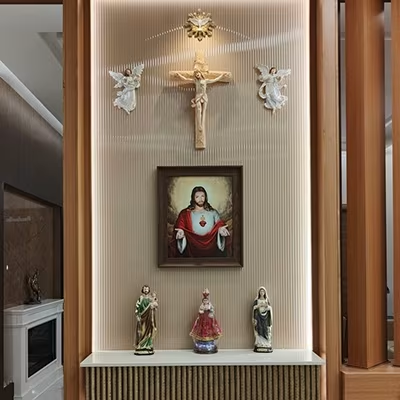
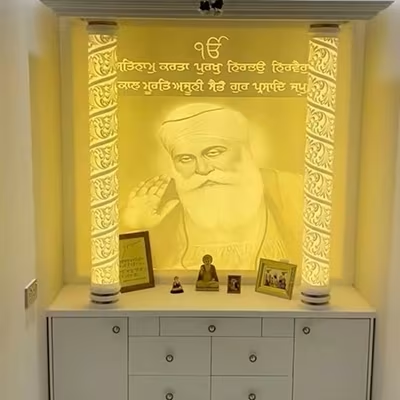
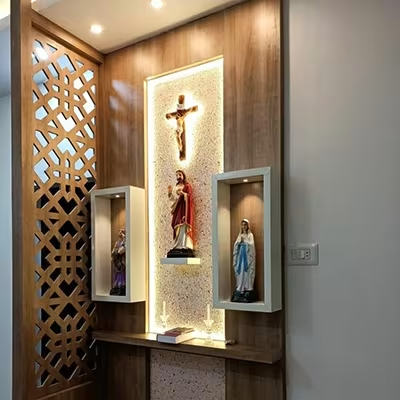
- Jaali work, LED backlit panels, and floating shelves for modern aesthetics.
- Materials like teak wood, marble, and engineered wood are popular.
- Glass doors, bell accents, and floral motifs add charm and personalization.
- Modern finishes such as PU coating or laminates, often with built-in drawers, combine style with practicality.
These trends balance tradition with contemporary design, making pooja spaces both spiritual and visually appealing.
- Solid wood (like teak or Sheesham) is considered auspicious, durable, and long-lasting.
- Marble provides a serene, timeless look and is easy to clean.
- MDF or engineered wood is suitable for modern, compact mandirs, but may be less durable in humid conditions.
For both spiritual significance and durability, wood and marble remain the top choices for Indian homes.
Yes, marble is an excellent choice for a pooja unit. It is considered pure and sacred in Indian culture, easy to maintain, and lends a divine, luxurious feel. White or Makrana marble works well for the base, shelves, and backdrop. However, marble units can be heavy and costly, making them more suitable for fixed or floor-standing pooja setups rather than portable designs.
To keep your pooja area organized and clutter-free:
- Drawers or shuttered cabinets below the platform for incense, prayer books, oil, and other pooja samagri.
- Wall-mounted shelves or side niches for diyas, small idols, or accessories.
- Soft-close fittings and hidden storage maintain a clean, serene ambiance.
- Modular units with dedicated trays are increasingly popular in Indian apartments for functional and elegant storage.
The right lighting can enhance the divine ambiance of your pooja space:
- Warm white LED strip lights, cove lighting, or spotlights create a soft, serene glow.
- Backlit jaali panels or lighted niches add depth and visual interest.
- Avoid harsh lighting—dimmable fixtures are ideal for adjusting the mood.
- For a traditional touch, consider brass lamps or diya-style holders, especially during aarti or festive occasions.
To create a divine and serene ambiance in your home mandir:
- Use warm white LED strip lights, cove lighting, or spotlights for a soft glow.
- Incorporate backlit jaali panels or lighted niches for depth and elegance.
- Avoid harsh lighting—dimmable fixtures help adjust the mood.
For a traditional touch, use brass lamps or diya-style holders, especially during aarti or festive occasions
According to Vastu principles:
- Keep the mandir simple and clutter-free—ideally 2–3 idols and a few framed pictures.
- Avoid overcrowding; each deity should be less than 9 inches in height with a small gap between them.
- Do not place multiple replicas of the same deity.
- Maintain symmetry and focus on creating a space for daily worship practices.
This ensures your mandir is spiritually balanced, serene, and functional.
According to Vastu, photos of deceased ancestors should not be placed inside the pooja room. Instead, display them on a separate wall in the south or southwest direction of the house. The mandir is considered a divine space for worshipping deities only, and mixing ancestral energy with divine energy is traditionally discouraged in Indian homes.